Cooking Up A Budgeting Plan
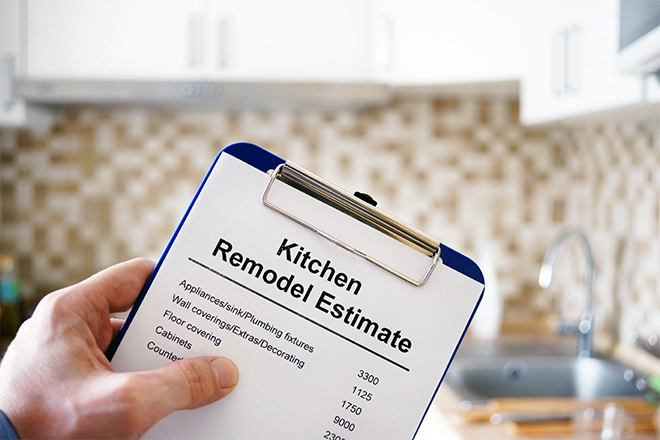
Are you ready to transform your kitchen but unsure how much to set aside? Wondering how to create a budget that balances both your dream features and your wallet?
In this post, you’ll learn exactly how to budget for a kitchen remodel, break it down by category, and prioritize spending where it matters most.
By the end, you’ll have a clear path to planning a Delray Beach kitchen remodeling project that suits your needs without breaking the bank.
Quick Answers To Budgeting For A Kitchen Remodel
- Set your total investment: Decide on the maximum amount you’re willing to invest
- Break down the budget: Allocate funds into categories like cabinetry, countertops, appliances, and labor
- Prioritize needs over wants: Focus on essential upgrades first, like functional improvements and long-term investments
- Include a contingency fund: Set aside 10-20% of your budget for unexpected expenses
- Get professional quotes: Consult contractors or designers early for accurate estimates
Setting A Realistic Kitchen Remodel Budget
Determining Your Total Investment
The first step in planning your kitchen remodel is figuring out how much you can realistically afford to spend. Your total investment should be based on a careful balance between your financial situation and the scope of the remodel you’re envisioning.
A good rule of thumb is to invest 5-15% of your home’s current value into a kitchen remodel. For example, if your home is worth $300,000, your investment range could be between $15,000 and $45,000.
Consider how long you plan to stay in your home.
If you’re remodeling with resale in mind, staying within this percentage will help you avoid over-investing and make it easier to recoup your costs when selling. If this is your forever home, you may be willing to invest more for features that suit your personal lifestyle.
Finally, make sure to factor in a cushion for unexpected costs, typically 10-20% of your total budget. Unforeseen expenses like structural repairs or material price hikes can derail even the best-planned budgets.
Determining your total investment upfront with flexibility for these surprises will help keep your project financially on track.
Tips For Creating A Realistic Kitchen Remodeling Budget
- Start With Your Total Investment: Before diving into specifics, determine the maximum amount you’re willing to spend on your kitchen remodel. This number will serve as the foundation for allocating your budget across various categories such as cabinets, countertops, appliances, and labor.
- Prioritize Functionality Over Aesthetics: It’s tempting to spend on high-end finishes, but focusing on functionality ensures that your remodel provides lasting value. Consider practical elements like durable countertops, reliable appliances, and energy-efficient upgrades first. Then, allocate the remaining budget to design choices like custom cabinets or decorative elements.
- Include A Contingency Fund: Always set aside 10-20% of your total budget for unexpected expenses. From unforeseen plumbing issues to structural surprises, having a cushion helps prevent budget overruns and keeps your project on track.
- Get Multiple Quotes: Contact local contractors and designers for quotes before committing to a plan. Multiple estimates will help you get a clearer picture of labor costs and material options.
- Plan For Hidden Costs: Be mindful of smaller expenses like permit fees, structural changes, or code compliance updates. These costs can add up quickly, so factoring them in from the start will prevent your project from going over budget.
Kitchen Remodel Costs By Scope
Your kitchen remodel cost will largely depend on the scope of your project. Here’s a quick breakdown of typical kitchen remodel costs by project scope:
- Standard Kitchen Remodel ($35,000+): This option includes new cabinets (in the existing layout), countertops, plumbing fixtures, and a tile backsplash
- Deluxe Remodel ($60,000+): This remodel includes new cabinets (with some layout reconfigurations), light fixtures, quartz countertops, and a tile backsplash
- Premium Remodel ($85,000+): This remodel involves completely reconfiguring your kitchen layout, new semi-custom cabinets, high-grade quartz countertops, premium tile backsplash, flooring, and a custom lighting configuration
When planning, think beyond the surface costs—if you discover outdated plumbing or electrical work during your remodel, it can increase the total project cost significantly. Always factor in extra funds for unexpected costs that can appear in more involved projects, especially for larger remodels.
Comprehensive Budget Breakdown By Category
Cabinetry (29-40%): Cabinets are typically the largest part of your budget. Depending on your needs, you can opt for stock cabinetry, which is more affordable, or go for custom cabinets if you’re looking for a high-end, personalized touch. If you’re hoping to save money, consider refacing existing cabinets rather than replacing them completely.
Appliances (15-20%): The cost of appliances can vary significantly depending on your choices. Basic new appliances might only set you back around $2,000, while premium options, such as Sub-Zero or Wolf, can dramatically increase your final cost. Be sure to account for installation costs, and don’t forget that certain high-end models can require specialized installation, which may add to your labor costs.
Countertops (11%): Your countertop budget will depend on the material. Options like laminate are cost-effective, while quartz or marble offers a more luxurious look at a higher price. However, be aware that installing heavier countertops like marble may require reinforcing your cabinetry or flooring, increasing the cost.
Labor Costs (13-25%): Don’t overlook the significant impact of labor costs. Installing cabinets, upgrading plumbing fixtures, or rerouting electrical work can raise the overall cost. If you’re trying to save money, consider taking on easier tasks yourself. Consult professionals to get accurate estimates early and ensure that the labor costs include potential issues like structural surprises or code-related work.
Flooring (5-10%): Whether you choose luxury vinyl plank, hardwood, or ceramic tile, flooring is a noticeable element that impacts the kitchen’s look and feel. Costs will vary, so look for quality materials that fit your budget while still complementing your design. Refinishing your existing flooring might save you money.
Lighting (5-8%): While lighting fixtures don’t typically take up a huge portion of the budget, they add ambiance and functionality. Options range from basic fixtures to high-end designs that can complement the style of your kitchen.
Permits (1-3%): Don’t forget the small but necessary expenses like permit fees, especially if you’re making structural changes or updating plumbing work. These fees are crucial to ensuring your remodeling project complies with local codes in Delray Beach, FL.
How To Keep Kitchen Remodel Costs Down
Cost-Saving Strategies
To keep your kitchen remodel costs manageable, you’ll need a strategy to stay on budget:
Avoid the cost of layout changes, which can be expensive due to necessary plumbing work or moving load-bearing walls.
Existing cabinets and existing flooring can be repurposed. Consider refacing cabinets instead of replacing them or polishing existing flooring to save money.
Look for sales or discounted materials, including stock cabinetry, appliances, and remnants of stone for countertops. Doing so can reduce your total expense while still achieving the look you want.
If you have DIY skills, take on easier tasks such as painting or installing window treatments. This can drastically cut down on labor costs.
Prioritize Key Elements
To ensure your kitchen remodeling project stays on budget, prioritize investments in long-lasting features:
Durable Countertops: Opt for materials like quartz or granite that withstand daily wear and tear. These materials are more resistant to stains, scratches, and heat. This makes them a smart investment for the long term.
Reliable Appliances: Invest in appliances that offer the functionality you need. A high-end oven or double oven might be tempting, but if they don’t fit your cooking habits or kitchen layout, consider a more budget-friendly alternative.
Custom Cabinets vs. Stock Cabinetry: While custom cabinets provide a personalized look, they can drive up costs significantly. If budget is a concern, opt for semi-custom or stock cabinetry. These can offer a high-quality appearance at a fraction of the cost.
Energy-Efficient Lighting and Appliances: Prioritize energy-efficient lighting fixtures and appliances. They reduce electricity costs in the long run and contribute to a more sustainable kitchen.
Practical Flooring Choices: Invest in flooring materials like luxury vinyl plank or ceramic tile, which are durable and easy to maintain. These options are often more affordable than hardwood while offering excellent durability and water resistance.
Functional Storage Solutions: Add pull-outs or shelving inside cabinets to maximize storage and improve your kitchen’s functionality. Functional storage options can make a big difference in everyday use.
Preparing For Contingencies And Hidden Costs
When planning your kitchen remodel, it’s crucial to account for the unexpected.
Always set aside 10-20% of your total budget as a contingency fund. This cushion helps cover unforeseen issues like discovering load-bearing walls that need reinforcement, plumbing or electrical work that doesn’t meet current code, or even delays in material shipments.
If you’re working on an older home, hidden kitchen remodeling costs can pop up more frequently. This is especially true if structural updates are required to bring the home up to modern safety standards.
A healthy contingency fund will ensure you can move forward with your kitchen remodeling project without blowing past your initial budget.
Finalizing Your Kitchen Remodel Budget
Getting Professional Help
Consulting professionals early in your kitchen renovation process can save you both time and money. Local contractors and designers in Delray Beach, FL, can provide realistic quotes for labor costs and materials. This can help your budget be both achievable and realistic.
By consulting with experts, you’ll be able to avoid common pitfalls like underestimating remodeling costs, under-budgeting for custom installations, or misjudging the total project cost.
Their professional experience will also help you assess whether you need specialized plumbing services or if certain elements, like gas lines or high-end appliances, will add more value to your home in the long run.
Using A Detailed Design Plan
The key to staying within budget is a detailed and well-thought-out design plan.
This plan should include precise square footage measurements for things like countertops, backsplashes, and cabinetry.
You’ll also want to list your desired upgrades in order of priority. This ensures the most important features—like cabinets, appliances, and new flooring—are accounted for first.
A detailed kitchen design plan provides a clear roadmap for finalizing your kitchen remodel budget. It can also help prevent scope creep, where the project scope grows larger than anticipated, leading to cost overruns.
Use the design plan as your guide to make sure all the essential materials, installation work, and potential hidden costs are included upfront.
Set An Accurate Budget You Can Stay In With Atlantic Remodeling
At Atlantic Remodeling, we specialize in turning your kitchen remodeling dreams into reality. Whether you’re looking for a small upgrade or a full-scale remodel, our team has the expertise to handle every detail to deliver a kitchen you’ll love for years.
Ready to start planning your kitchen transformation? Fill out our contact form today or give us a call, and let’s bring your perfect kitchen to life in Delray Beach, FL.